Madeira island guide: things to do, where to stay and best time to visit
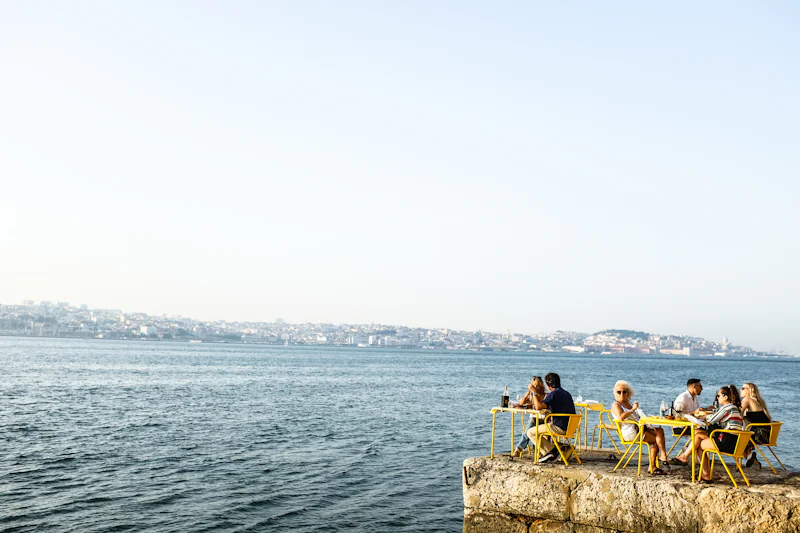
Madeira is a volcanic island in the Atlantic, about 1,000 km southwest of Lisbon and closer to Morocco than to mainland Portugal. It's known as the "island of eternal spring" thanks to mild weather all year, and it packs an astonishing amount into a small space: cliffs over 500 metres high, laurel forests, mountain peaks above the clouds, and more than 2,000 km of irrigation channels you can hike along.
This Madeira guide covers everything you need to plan a trip: the best things to do, when to go, where to stay, getting around, food, and how Madeira compares with the Azores.
Madeira at a Glance
| Location | Atlantic Ocean, autonomous region of Portugal |
| Capital | Funchal |
| Size | About 57 km long and 22 km wide |
| Population | Around 250,000 |
| Airport | Cristiano Ronaldo International Airport (FNC) |
| Flight from Lisbon | About 1h45 |
| Currency | Euro |
| Language | Portuguese (English widely spoken in tourist areas) |
| Other islands | Porto Santo (inhabited), Desertas and Selvagens (nature reserves) |
Best Time to Visit Madeira (Madeira Weather)
Madeira weather is mild all year, which makes it a genuine year-round destination. Temperatures on the coast in Funchal rarely drop below 16°C or rise above 27°C.
| Season | Coastal temperatures | What to expect |
|---|---|---|
| Spring (Mar–May) | 17–22°C | Flowers in bloom, Flower Festival, great hiking |
| Summer (Jun–Sep) | 21–27°C | Warmest sea, driest weather, busiest season |
| Autumn (Oct–Nov) | 19–24°C | Warm sea, fewer crowds, some rain |
| Winter (Dec–Feb) | 16–20°C | New Year's fireworks, rain in the north, snow possible on peaks |
Microclimates matter. The south coast (Funchal, Calheta) is sunnier and drier. The north (Santana, São Vicente) is greener and wetter. The mountains can be cold and cloudy even when Funchal is sunny – always check a live webcam before driving up to Pico do Arieiro.
Best overall: April–June and September–October for good weather, lower prices and fewer people.
Top Things to Do in Madeira
1. Hike the Levadas
Levadas are irrigation channels built from the 15th century onwards to carry water from the wet north to the farmland in the south. The paths alongside them are some of the best walks in Europe. Popular routes:
- Levada das 25 Fontes and Risco – waterfalls and a lake in the Rabaçal valley
- Levada do Caldeirão Verde – laurel forest, tunnels and a 100 m waterfall
- Levada dos Balcões – an easy 3 km walk with a valley viewpoint, great for families
- Levada do Rei – lush forest ending at a small waterfall
Note: Madeira charges a small fee for non-residents to use many official walking trails, paid online in advance. Check the regional government's booking site (Simplifica) before you go – fees and rules can change. Check
2. Pico do Arieiro to Pico Ruivo
The island's most famous hike links its third-highest and highest peaks (1,862 m) along a dramatic ridge. Go for sunrise above the clouds. Sections are sometimes closed after storms – check before going.
3. Explore Funchal
Madeira's capital is compact and walkable:
- Mercado dos Lavradores – fruit, flowers and the fish market
- Zona Velha (Old Town) – the painted doors of Rua de Santa Maria
- Monte cable car to the Monte Palace Tropical Garden
- Toboggan ride – descend from Monte in a wicker basket sled steered by two carreiros
- Botanical Garden and CR7 Museum
4. Ponta de São Lourenço
A rugged peninsula at the eastern tip, completely different from the rest of the island – dry, windswept and red-rocked.
5. Natural Swimming Pools of Porto Moniz
Volcanic rock pools filled by the ocean on the island's northwest corner.
6. Cabo Girão Skywalk
A glass platform on one of Europe's highest sea cliffs, about 580 m above the ocean.
7. Fanal Forest
An ancient laurel forest famous for twisted trees that disappear into the fog. A photographer's favourite.
8. Whale and Dolphin Watching
Madeira's waters host dolphins year-round and many whale species. Book a trip from Funchal or Calheta.
9. Seixal Black Sand Beach
One of the few natural beaches on the island, with green mountains behind it.
10. Day Trip to Porto Santo
Madeira's sister island has what Madeira lacks: a 9 km golden sand beach. Reach it by ferry (about 2h15) or a short flight.
Where to Stay in Madeira
| Area | Best for |
|---|---|
| Funchal | First-timers, restaurants, nightlife, public transport |
| Calheta | Sunshine, the island's main artificial sandy beach, quieter stays |
| Ponta do Sol | Sunsets, digital nomads, relaxed village feel |
| Machico / Caniçal | Close to the airport and eastern hikes |
| Santana / north coast | Nature, hiking, traditional A-frame houses |
| Porto Moniz | Natural pools and the wild northwest |
Funchal is the easiest base if you don't plan to rent a car. For hiking, a car plus a base in the west or north saves a lot of driving time.
Getting Around Madeira
- Car rental is the best way to explore. Roads are good but steep and winding; a car with a decent engine helps.
- Buses connect Funchal to most towns but are slower and less frequent on the north coast.
- Taxis and organised tours are useful for one-way hikes like Pico do Arieiro to Pico Ruivo.
- Airport transfer: the airport is about 20–25 minutes from Funchal by car or taxi and 30–45 minutes by airport bus (airport to Funchal).
What to Eat and Drink in Madeira
For dishes from the rest of the country, see our guide to Portuguese food.
- Espetada – beef skewered on bay-laurel sticks and grilled over wood
- Espada com banana – black scabbardfish with fried banana
- Bolo do caco – flatbread with garlic butter
- Lapas – grilled limpets with garlic and lemon
- Milho frito – fried cornmeal cubes
- Bolo de mel – dark honey cake made with sugarcane molasses
- Poncha – the island's drink, made with aguardente (sugarcane spirit), honey and lemon
- Madeira wine – fortified wine aged in heat, from dry Sercial to sweet Malmsey
- Tropical fruit – passion fruit, custard apples (anona) and small Madeira bananas
Festivals and Events
- Carnival (February)
- Flower Festival (April–May) – flower carpets and parades in Funchal
- Atlantic Festival (June) – fireworks competitions
- Wine Festival (late August–September)
- New Year's Eve – one of the world's largest fireworks displays, best seen from a cruise ship or Funchal's hills
Madeira vs Azores: Which Should You Choose?
Both are Portuguese archipelagos in the Atlantic, but they offer different experiences.
| Madeira | Azores | |
|---|---|---|
| Weather | Warmer, sunnier, more stable | Cooler, more changeable, rainier |
| Landscape | Dramatic cliffs and peaks | Crater lakes, hot springs, green pastures |
| Size | One main island, easy to cover | Nine islands, requires inter-island flights |
| Tourism | More developed, more hotels | Quieter, more rural |
| Beaches | Few natural beaches (Porto Santo for sand) | Few, mostly black sand |
| Best for | Hiking, year-round sun, first-time island trip | Nature, whale watching, slower travel |
Choose Madeira if you want reliable weather, spectacular hiking and a good choice of hotels and restaurants. Choose the Azores if you want volcanic lakes, hot springs and a quieter, more remote feel.
Practical Tips
- Pack layers. Coastal T-shirt weather can turn cold in the mountains within an hour.
- Good shoes for levada walks – paths can be wet and narrow.
- Bring a torch for levadas with tunnels (Caldeirão Verde, for example).
- Airport winds: flights into Madeira are sometimes diverted due to wind. Build in some flexibility.
- Book popular hikes early in the day to avoid crowds.
- Living in Madeira: the island is increasingly popular with remote workers. Ponta do Sol has an established digital nomad community.
Final Thoughts
Madeira rewards people who explore beyond Funchal. Rent a car, walk at least one levada, catch sunrise at Pico do Arieiro, and end your evenings with espetada and a glass of poncha. Few places in Europe combine this much nature, comfort and good weather in such a small island.
Need help?
Official bodies and services related to this guide. Sponsored listings are always labelled.
- Official Tourism & travel info
Visit Portugal (Turismo de Portugal)
The national tourism board's official guide to regions, events and trip planning across mainland Portugal, Madeira and the Azores.
- Languages
- Portuguese, English
- Where
- Nationwide · online
- Official Tourism & travel info
Visit Lisboa
The Lisbon tourism association's official visitor guide, including the Lisboa Card and city events.
- Languages
- Portuguese, English
- Where
- Lisbon
Frequently asked questions
Is Madeira part of Portugal?
Yes. It's an autonomous region of Portugal, so EU rules and the euro apply.
How many days do you need in Madeira?
Five to seven days is ideal to see Funchal, do several levada walks and explore the coast.
Does Madeira have beaches?
A few, mostly pebble or black sand. Calheta has an artificial sandy beach, and Porto Santo has a long natural golden beach.
Is Madeira expensive?
It's moderately priced – similar to mainland Portugal, with lower prices than most of Western Europe.
What is the weather like in Madeira in winter?
Mild on the coast (around 16–20°C) with more rain, especially in the north. The peaks can get cold.
Do I need a car in Madeira?
Not strictly, but it makes exploring much easier, especially for hikes.
Official sources
We check our guides against these official pages. If something has changed, the official source wins.
- Visit Madeira visitmadeira.com
Related guides
How to get from the airport to the city in Portugal: Lisbon, Porto, Faro and Madeira
How to get from the airport to the city in Portugal: metro, bus, taxi and Uber from Lisbon, Porto, Faro and Madeira airports, with prices and journey times.
Portuguese food: 30 traditional dishes to try in Portugal
A local's guide to traditional Portuguese food: the best dishes, desserts, pastries and coffee to try in Portugal, plus regional specialities and eating tips.
How to get around Portugal: trains, buses and driving
How to travel around Portugal: CP trains and the Passe Ferroviário Verde, intercity buses and tickets, driving and tolls, city transport, flights and ferries.
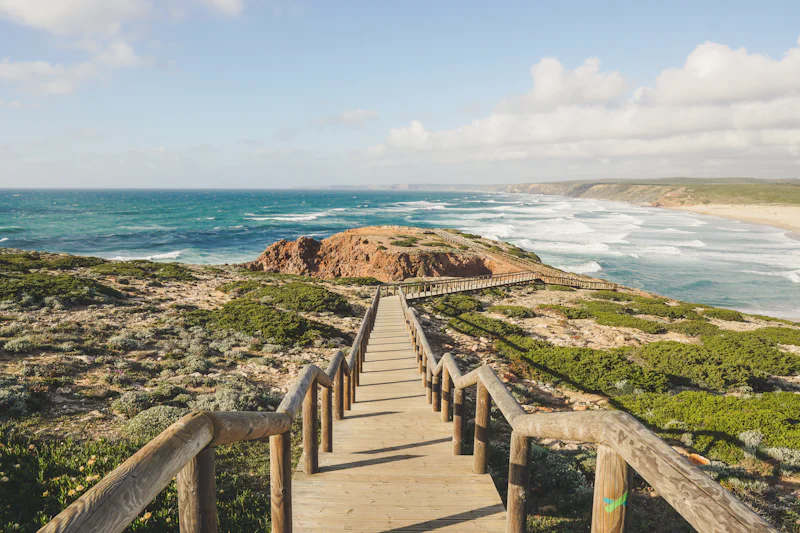
Nazaré, Portugal: when to visit, beaches and the biggest waves in the world
Plan a visit to Nazaré, Portugal: when to see the giant waves at Praia do Norte, the best beaches, things to do, getting there from Lisbon and where to stay.
Interesting Facts About Portugal: 25 Things You Should Know
25 interesting facts about Portugal: Europe's oldest borders, the world's oldest alliance, cork, giant waves, pastel de nata, fado and more.
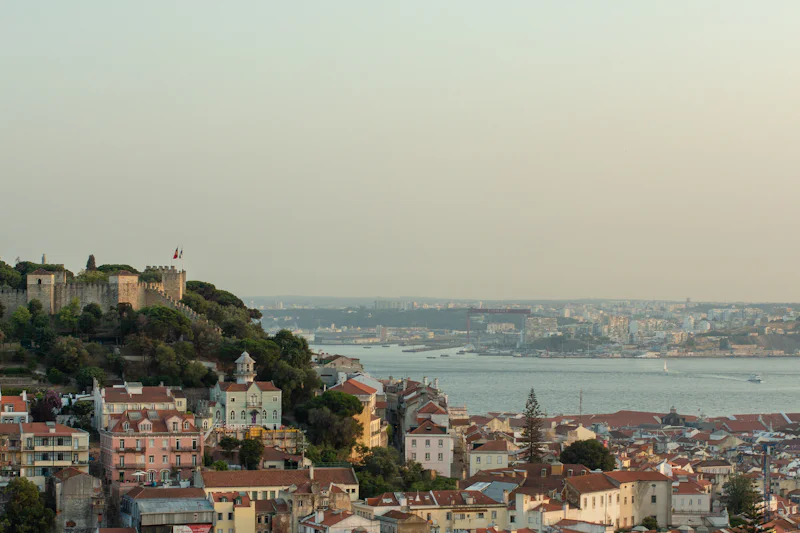
Best Places to Live in Portugal: Cities and Regions Compared
Where to live in Portugal: Lisbon, Porto, Braga, Coimbra, the Algarve, Madeira, the Azores and more compared on housing, jobs, climate and lifestyle.