Best Places to Live in Portugal: Cities and Regions Compared
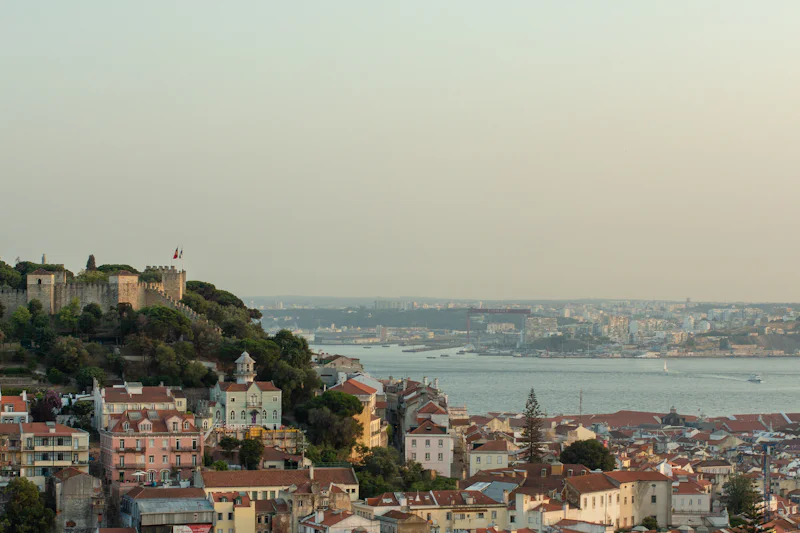
Portugal is small — you can drive from the Spanish border in the north to the Algarve coast in about seven hours — but life looks very different depending on where you settle. Lisbon is fast, international and expensive. Braga is young and affordable. The Algarve has 300 days of sun but quiet winters. Madeira and the Azores are a world of their own.
This guide compares the best places to live in Portugal on the things that actually matter once the holiday glow fades: housing costs, jobs, healthcare, transport, climate and community.
Quick answer: For careers and city life, choose Lisbon or Porto. For value and quality of life, look at Braga, Coimbra or Aveiro. For sun and a slower pace, the Algarve (especially Tavira and Lagos). For nature and a mild climate year-round, Madeira.
How to choose where to live in Portugal
Before falling in love with a postcard, answer five questions:
- Do you need a local job? Most well-paid private-sector jobs are in Greater Lisbon and Greater Porto. Remote workers have far more freedom.
- What's your housing budget? Rents in Lisbon and parts of the Algarve are well above the rest of the country. Moving 30–60 minutes inland can cut costs dramatically.
- Do you want to live without a car? Only Lisbon and Porto have metro systems. Elsewhere, a car is close to essential (see our guide to car ownership in Portugal).
- How do you handle winter? Portuguese homes are often poorly insulated. The north is green because it rains — a lot. The Algarve and Madeira are the mildest.
- Do you want an international community or a Portuguese one? Lisbon, Cascais and the Algarve have large expat communities. Smaller cities will push your Portuguese along faster.
Portugal's regions at a glance
| Place | Cost of living | Job market | Climate | Expat community | Car needed? |
|---|---|---|---|---|---|
| Lisbon | High | Strongest | Mild, hot summers | Very large | No |
| Cascais / Oeiras | Very high | Good (Lisbon commute) | Mild, breezy | Large | Helpful |
| Porto | Medium–high | Strong | Mild, rainy winters | Large | No |
| Braga | Medium | Growing | Wet winters, warm summers | Small–medium | Helpful |
| Coimbra | Medium–low | Moderate (university, health) | Hot summers, cool winters | Small | Helpful |
| Aveiro | Medium | Moderate (tech, industry) | Mild, windy | Small | Helpful |
| Silver Coast | Medium–low | Limited | Mild, cooler summers | Medium | Yes |
| Algarve | Medium–high | Seasonal | Sunniest, mild winters | Very large | Yes |
| Alentejo | Low | Limited | Very hot summers | Small | Yes |
| Madeira | Medium | Limited (tourism, remote) | Mild all year | Medium | Helpful |
| Azores | Medium–low | Limited | Mild, humid, changeable | Small | Yes |
Cost ratings are relative to each other. Prices change quickly — check current listings on Idealista or Imovirtual before committing.
Lisbon
Best for: careers, international schools, culture, nightlife, digital nomads.
Lisbon is Portugal's capital and its economic engine. Most multinationals, start-ups, embassies and international schools are here, and you can get by in English more easily than anywhere else in the country. Public transport (metro, trams, buses, trains and river ferries) means you can live comfortably without a car.
Pros
- Best job market and salaries in Portugal
- Excellent international connections from Humberto Delgado Airport
- Beaches within 30 minutes (Costa da Caparica, Cascais line)
- Strong private healthcare network
Cons
- Highest rents in the country; competition for good flats is fierce
- Steep hills, crowded centre and tourist pressure in historic neighbourhoods
- Older buildings can be damp and cold in winter
Neighbourhoods to look at: Campo de Ourique and Estrela (family-friendly, central), Alvalade and Areeiro (practical, well connected), Parque das Nações (modern, newer buildings), Arroios (diverse and lively).
Lisbon's surroundings: Cascais, Oeiras, Setúbal
- Cascais and Estoril — seaside towns on the Cascais train line with a large international community and top private schools. Beautiful, but among the most expensive places in Portugal.
- Oeiras — a quieter, well-planned municipality between Lisbon and Cascais with a tech hub (Taguspark, Lagoas Park), good schools and seafront walks. Often better value than Cascais.
- Setúbal and the south bank — Almada, Seixal and Setúbal offer lower rents, the Arrábida natural park and beaches, with ferry or train commutes into Lisbon.
- Sintra — green, historic and cooler; good for families who want space, but traffic into Lisbon can be painful.
Porto
Best for: people who want a big-city feel at a slightly lower cost than Lisbon.
Porto is Portugal's second city — compact, characterful and increasingly international. It has a metro, a strong university, a growing tech sector and a busy airport with good European links. It feels more local and less polished than Lisbon, which many residents see as a plus.
Pros
- Strong food scene, culture and architecture
- Lower living costs than Lisbon (though no longer "cheap")
- Easy access to the Douro Valley and northern beaches
Cons
- Rainy, grey winters
- Rents have risen sharply in the centre
- Fewer English-speaking jobs than Lisbon
Areas to look at: Boavista and Foz (upmarket, near the sea), Bonfim (up-and-coming), Matosinhos (beach town with a metro link), Vila Nova de Gaia (across the river, often better value).
Braga
Best for: families, value seekers, people who want a Portuguese city that still works for daily life.
Braga is one of Europe's youngest cities by population, home to the University of Minho and a growing tech and engineering sector. It's clean, safe, well-run and about 50 minutes from Porto by train or car. Compared with Porto, rents are noticeably lower.
Pros: good value, strong sense of community, easy access to Gerês National Park and Porto airport. Cons: wet winters, smaller expat scene, fewer international schools.
Coimbra
Best for: academics, healthcare workers, people who want central location and lower costs.
Home to one of the oldest universities in Europe and a major hospital centre, Coimbra sits roughly halfway between Lisbon and Porto on the main rail line. It's a student town with a historic core, and rents are generally more manageable than in the two big cities.
Pros: central location, good hospitals, lively but manageable. Cons: hot summers, quiet outside term time, limited private-sector jobs.
Aveiro
Best for: people who want a small, flat, bikeable city near the sea.
Aveiro is known for its canals, but day-to-day it's a practical university town with a strong telecoms and industrial base. It's about an hour from Porto by train, flat enough to cycle everywhere, and close to the beaches of Costa Nova and Barra.
The Silver Coast (Costa de Prata)
Best for: retirees and remote workers who want the sea without Algarve prices.
The coast between Lisbon and Coimbra — Caldas da Rainha, Óbidos, Nazaré, Peniche, São Martinho do Porto — offers Atlantic beaches, fresh seafood and a slower pace about an hour from Lisbon. Summers are cooler than the Algarve and winters can be windy. A car is essential.
The Algarve
Best for: sun lovers, retirees, golfers, outdoor families.
Portugal's southern coast is the sunniest part of mainland Europe, with a large English-speaking community, international schools and private hospitals. But each town has a different character:
| Town | Character |
|---|---|
| Lagos | Lively, young, beautiful beaches, busy in summer |
| Tavira | Elegant, calmer, authentic, close to Spain |
| Faro | The regional capital — airport, university, year-round life |
| Albufeira | Tourist hub; very quiet outside the season |
| Loulé | Inland market town, close to the coast and airport |
| Portimão / Lagoa | Practical, larger services, near the western beaches |
Watch out for: seasonality (some towns are almost empty from November to March), higher rents near the coast, summer water stress, and the need for a car. The A22 motorway is now toll-free, which makes daily driving cheaper.
The Alentejo
Best for: people seeking space, silence and low costs.
Portugal's vast rolling plains — think cork oaks, vineyards and whitewashed villages — are the least densely populated part of the country. Évora is the main city: a UNESCO-listed historic centre with a university and hospital. The coastal Alentejo (Comporta, Vila Nova de Milfontes) is wild and beautiful but has become pricey.
Watch out for: summers regularly above 40 °C, limited jobs, and long distances to services.
Madeira
Best for: remote workers and anyone who wants spring-like weather all year.
Madeira has one of the most stable climates in Europe, dramatic hiking (the levadas), a well-developed capital in Funchal, and a digital nomad community centred on Ponta do Sol. Income tax rates in the autonomous regions are lower than on the mainland.
Watch out for: island prices for some goods, a small job market, flights affected by wind, and steep terrain.
The Azores
Best for: nature lovers who don't mind rain.
Nine volcanic islands in the mid-Atlantic, with São Miguel (Ponta Delgada) and Terceira being the most practical for full-time living. Expect green landscapes, hot springs, whale watching and a tight-knit community. Like Madeira, the Azores have lower income tax rates than the mainland.
Watch out for: humidity and changeable weather, limited flights from smaller islands, and fewer specialist medical services.
Best places to live in Portugal by profile
| You are… | Consider |
|---|---|
| Building a career | Lisbon, Oeiras, Porto |
| A remote worker | Lisbon, Porto, Madeira, Lagos, Ericeira |
| A family with school-age kids | Cascais, Oeiras, Porto (Foz/Boavista), Braga, Loulé |
| Retired | Tavira, Silver Coast, Coimbra, Madeira |
| On a tight budget | Braga, Coimbra, Viseu, Castelo Branco, inland Alentejo |
| Car-free | Lisbon, Porto, Aveiro |
| Learning Portuguese fast | Braga, Coimbra, Viseu, the Azores |
Moving with young children? Our guide to kindergartens and childcare in Portugal explains creche, jardim de infância and what they cost.
Practical next steps
- Rent before you buy. Spend at least a few months — ideally including a winter — in your chosen area.
- Understand the tax side. Spending more than 183 days a year in Portugal can make you tax resident — see Tax Residency in Portugal: The 183-Day Rule.
- Budget for the full cost of renting, including deposits and advance rent — see Portuguese Rental Deposit Rules.
- If buying, factor in IMT, stamp duty and IMI — see Property Taxes in Portugal.
- Check salaries realistically using our guide to gross vs net salary in Portugal.
This guide is for general information. Housing costs and local conditions change quickly, so visit and research current listings before making a decision.
Need help?
Official bodies and services related to this guide. Sponsored listings are always labelled.
- Official Housing & rentals
Portal da Habitação (IHRU)
The official housing portal: rental support programmes, tenancy rules and public housing initiatives.
- Languages
- Portuguese
- Where
- Nationwide · online
Frequently asked questions
What is the best place to live in Portugal?
There's no single winner. Lisbon is best for jobs and city life, Porto for a big city with more local character, Braga and Coimbra for value, the Algarve for sunshine, and Madeira for a mild climate year-round.
What is the cheapest place to live in Portugal?
Inland areas are the most affordable — cities such as Castelo Branco, Viseu, Guarda, Bragança and towns in the Alentejo. Among larger cities, Braga and Coimbra usually offer the best value.
Where do most expats live in Portugal?
The largest communities are in Greater Lisbon (especially Cascais and Oeiras), Porto, the Algarve and Madeira.
Is it better to live in Lisbon or Porto?
Lisbon has more jobs, better international connections and sunnier weather; Porto is generally cheaper, more compact and feels more local, but has wetter winters.
Where is the best weather in Portugal?
Madeira has the most stable temperatures all year. On the mainland, the Algarve is the sunniest and mildest in winter.
Can I live in Portugal without a car?
Comfortably in Lisbon and Porto, and reasonably in Aveiro or Coimbra. In the Algarve, Alentejo, Silver Coast and the islands, a car is close to essential.
Official sources
We check our guides against these official pages. If something has changed, the official source wins.
- INE – Statistics Portugal (population, prices, regional data) ine.pt
- Portal da Habitação (housing) portaldahabitacao.pt
- Visit Portugal – official tourism site visitportugal.com
Related guides
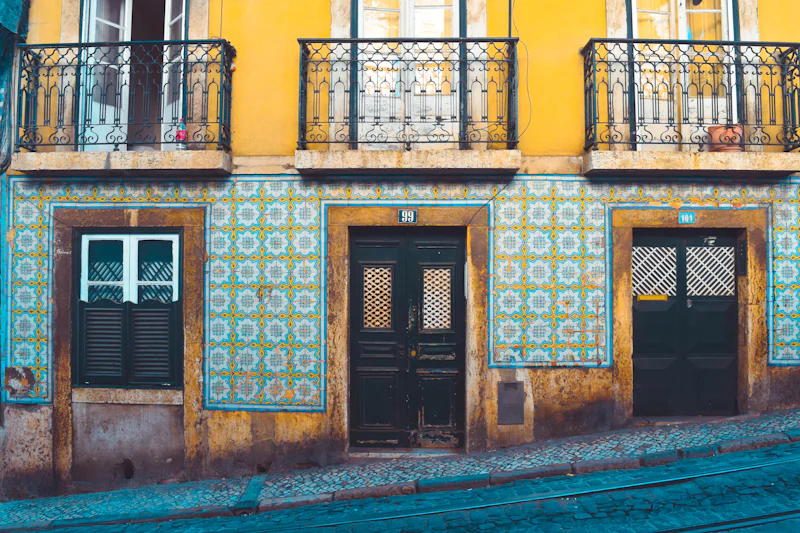
How to rent a flat in Portugal: a step-by-step guide for foreigners
How to rent a flat in Portugal: where to search, documents, deposit and advance rent, the lease, tenant rights, typical rents and scams to avoid.
-
Rental Deposits in Portugal: Rules, Refunds and Tenant Rights
How rental deposits (caução) work in Portugal: the legal cap, advance rent, guarantors, getting your deposit back, tenant rights and the proposed 2026 reform.
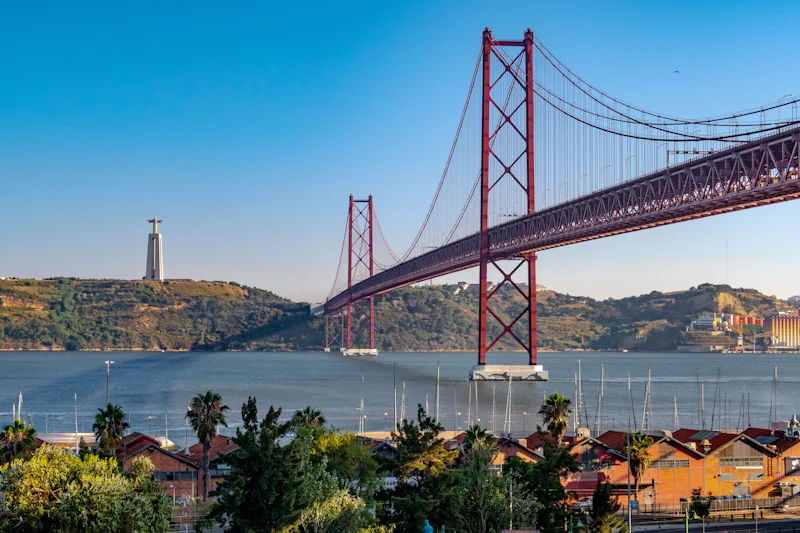
Car Ownership in Portugal: Taxes, Insurance and Inspections
Owning a car in Portugal: buying new or used, ISV import tax, the annual IUC road tax, mandatory insurance, IPO inspections, licence exchange and costs.
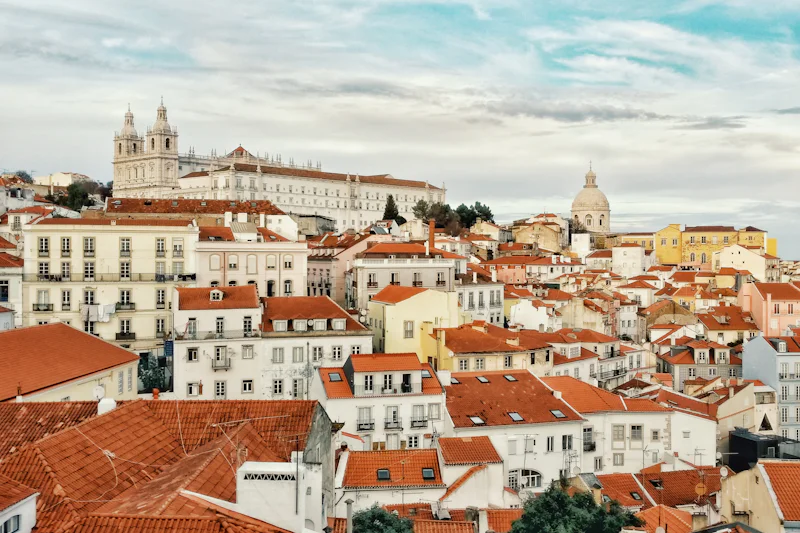
What is the capital of Portugal? Lisbon facts, history and living there
The capital of Portugal is Lisbon. Key facts about the city, why it became the capital, Portugal's former capitals and what living in Lisbon is really like.
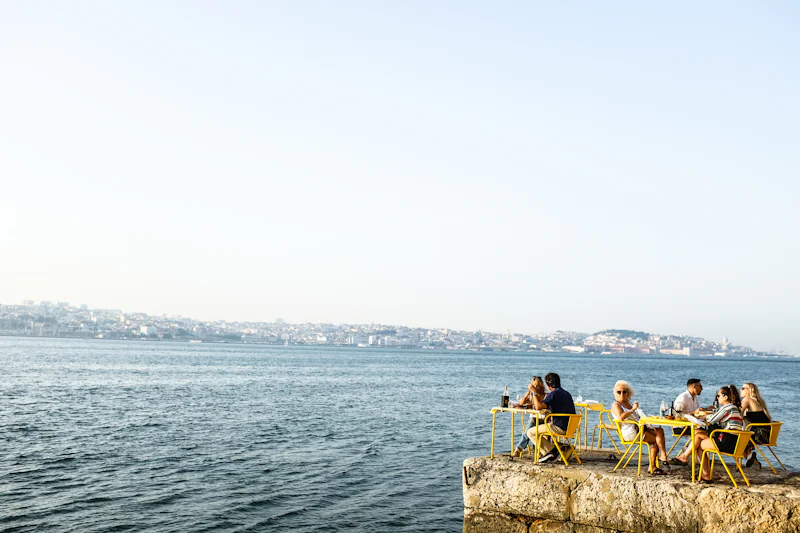
Madeira island guide: things to do, where to stay and best time to visit
Plan a trip to Madeira, Portugal: the best things to do, levada hikes, Funchal, Porto Santo, weather by month, where to stay, food and Madeira vs Azores.
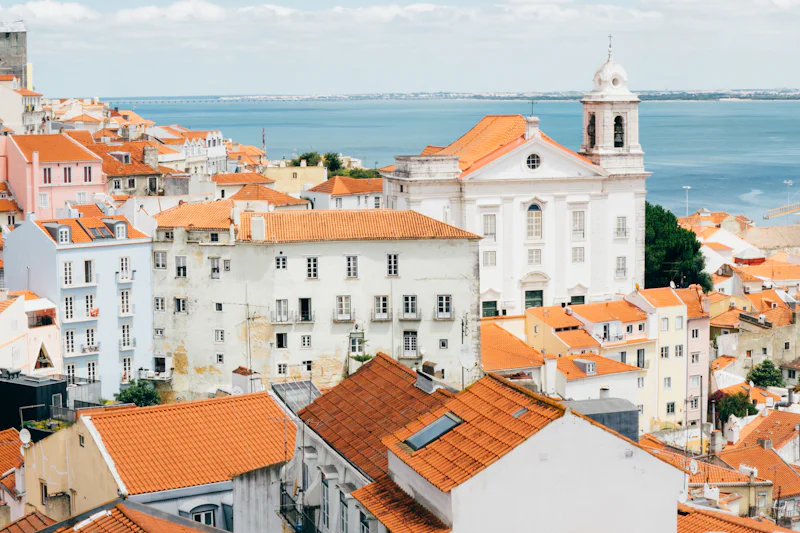
Tax Residency in Portugal: The 183-Day Rule Explained
When you become tax resident in Portugal: the 183-day rule, the habitual residence test, split-year residency, treaty tie-breakers and registering at Finanças.