Nazaré, Portugal: when to visit, beaches and the biggest waves in the world
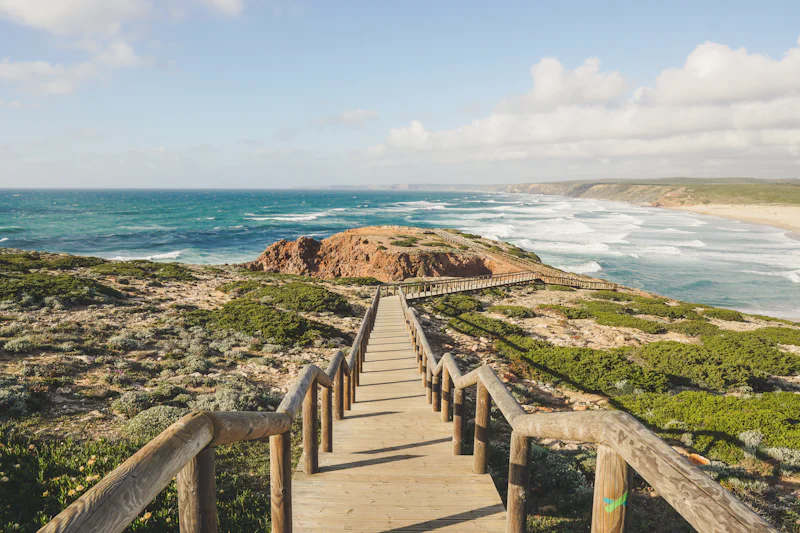
Nazaré is a traditional fishing town on Portugal's Silver Coast, about 120 km north of Lisbon. For centuries it was known for its fishermen, colourful boats and women in seven layered skirts. Today it's world-famous for something else: the biggest waves ever surfed.
In winter, giant swells at Praia do Norte can exceed 20 metres, drawing the world's best big-wave surfers and thousands of spectators. In summer, the main beach turns into one of the busiest seaside resorts in central Portugal.
This guide covers when to visit Nazaré, how to see the big waves, the best beaches, things to do, and how to get there.
Nazaré at a Glance
| Region | Centro (Oeste / Silver Coast), Leiria district |
| Distance from Lisbon | ~120 km (about 1h30 by car) |
| Distance from Porto | ~200 km (about 2h) |
| Famous for | Giant waves, fishing traditions, beaches |
| Big wave season | October to March |
| Beach season | June to September |
| Parts of town | Praia (beach town), Sítio (clifftop), Pederneira (old hilltop village) |
Why Are the Waves in Nazaré So Big?
The secret is underwater. The Nazaré Canyon – one of the largest submarine canyons in Europe, around 200 km long and up to 5 km deep – funnels Atlantic swells straight towards Praia do Norte.
When a winter storm swell travels through the deep canyon, it moves faster than the swell over the shallower seabed beside it. The two meet near the shore and combine, while a current running along the coast pushes back against the waves. The result: waves that rise suddenly to enormous heights just off the beach.
World records
- In 2011, Hawaiian surfer Garrett McNamara brought global attention to Nazaré by surfing a wave of around 24 metres.
- The Guinness World Record for the largest wave ever surfed – 26.21 metres (86 ft) – was set at Praia do Norte in October 2020 by German surfer Sebastian Steudtner.
When to Visit Nazaré
To see the giant waves: October–March
The big wave season runs roughly from October to March, with the best chance of huge swells between November and February, when North Atlantic storms are strongest.
Big waves don't happen every day – they depend on swell size, direction, wind and tide. Plan with some flexibility:
- Check surf forecasts (look for long-period swells of 4–5 m+ from the northwest).
- Follow local wave-alert pages and the World Surf League for competition windows.
- Mid to high tide is often the best time to watch.
- If you can, plan two or three days in the area to increase your chances.
The WSL Nazaré Big Wave Challenge (tow-surfing event) is held during the winter season, but only on days with suitable conditions, announced shortly in advance.
For beach holidays: June–September
Summer brings warm weather (25–30°C), calmer seas on the main beach, and lots of Portuguese families. August is the busiest and most expensive month.
For a quieter trip: April–May and September–October
Pleasant weather, fewer crowds, lower prices. September is particularly good – still warm, and the town celebrates its biggest festival.
| Month | What to expect |
|---|---|
| Jan–Feb | Peak giant waves, cold and rainy days, quiet town |
| Mar–Apr | Last big swells, spring weather |
| May–Jun | Warm, uncrowded, good for sightseeing |
| Jul–Aug | Peak beach season, busy, hot |
| Sep | Festival of Nossa Senhora da Nazaré, warm sea |
| Oct–Dec | Big wave season starts, fewer tourists |
Where to Watch the Big Waves
Forte de São Miguel Arcanjo (the lighthouse)
The red-roofed lighthouse fort on the headland in Sítio is the best viewpoint, directly above the break. Inside, a small surf museum displays boards used by big-wave legends and explains how the waves form.
Praia do Norte cliffs and beach
The cliffs and paths around the fort give dramatic views. You can walk down to Praia do Norte, but stay well back from the water – waves can surge unexpectedly far up the sand.
Safety: Praia do Norte is extremely dangerous. Never swim there, keep away from the shoreline on big days, and follow police and lifeguard instructions. On major swell days, roads and parking near the fort can be closed – arrive early.
Best Beaches in Nazaré
Praia da Nazaré
The main town beach – a wide crescent of golden sand sheltered by the headland. In summer, it's lined with colourful beach tents. It's generally the safest beach in town for swimming in summer, but always check the lifeguard flags.
Praia do Norte
Wild, exposed and beautiful, north of the headland. Famous for big waves – not for swimming.
Praia de Salgado
A long, quieter beach south of Nazaré, backed by dunes. Good for walks.
Praia da Gralha
A small beach between Nazaré and São Martinho do Porto.
São Martinho do Porto (nearby)
About 15 minutes south, this shell-shaped bay has calm, shallow water – perfect for families.
Things to Do in Nazaré
- Take the funicular (ascensor) to Sítio – the 1889 funicular connects the beach town with the clifftop.
- Miradouro do Suberco – a viewpoint in Sítio with the classic view over the beach and town.
- Santuário de Nossa Senhora da Nazaré – a baroque church with blue-and-white tiles, linked to the legend of Dom Fuas Roupinho.
- Watch fish drying on the beach – fishermen's wives still dry fish (peixe seco) on wooden racks on the sand.
- See women in traditional dress – some still wear the sete saias (seven skirts).
- Visit the surf museum at the lighthouse.
- Eat fresh seafood – grilled sardines, caldeirada (fish stew), arroz de marisco.
- Surf lessons – outside giant-wave days, there are good conditions for learners and intermediates.
- Day trips to Óbidos, Alcobaça Monastery, Batalha Monastery, Fátima and São Martinho do Porto.
How to Get to Nazaré
From Lisbon
- By car: about 1h30 via the A8 motorway (tolls apply — see how tolls work).
- By bus: direct Rede Expressos and Rodoviária do Oeste buses from Sete Rios or Campo Grande stations, about 1h45–2h.
- By train: not recommended – the nearest station (Valado dos Frades) is a few km away with infrequent services.
From Porto
- By car: about 2h via the A1 and A8 or A17.
- By bus: Rede Expressos, usually around 3h.
Getting around
Nazaré is walkable, with the funicular linking the beach and Sítio. Parking is hard in summer and on big wave days.
Where to Stay in Nazaré
- Praia (beach town): best for restaurants, the seafront and nightlife.
- Sítio: quieter, close to the lighthouse – ideal for big-wave chasers.
- São Martinho do Porto: calmer alternative, especially for families.
Book well ahead in August and during big-wave events.
Food in Nazaré
- Caldeirada de peixe – fish stew
- Sardinhas assadas – grilled sardines
- Carapau seco – dried horse mackerel
- Arroz de marisco – seafood rice
- Percebes (barnacles) and other shellfish
- Tarte de Nazaré and local sweets
Final Thoughts
Nazaré is two places in one: a lively summer beach town and, in winter, the stage for the most spectacular waves on Earth. If you want to see the giant waves, come between November and February, watch the forecasts, and head to the lighthouse early. In summer, enjoy the beach, the seafood and the views from Sítio – and stay well away from the water at Praia do Norte.
Need help?
Official bodies and services related to this guide. Sponsored listings are always labelled.
- Official Tourism & travel info
Visit Portugal (Turismo de Portugal)
The national tourism board's official guide to regions, events and trip planning across mainland Portugal, Madeira and the Azores.
- Languages
- Portuguese, English
- Where
- Nationwide · online
- Official Tourism & travel info
Visit Lisboa
The Lisbon tourism association's official visitor guide, including the Lisboa Card and city events.
- Languages
- Portuguese, English
- Where
- Lisbon
Frequently asked questions
Where is Nazaré?
On Portugal's Silver Coast, about 120 km north of Lisbon, in the Leiria district.
When can you see the big waves in Nazaré?
Between October and March, most often from November to February. Check forecasts, as big waves don't happen every day.
What is the biggest wave ever surfed in Nazaré?
The Guinness World Record is 26.21 metres, surfed by Sebastian Steudtner in October 2020.
Can you swim in Nazaré?
Yes, at the main beach (Praia da Nazaré) in summer, following lifeguard flags. Never swim at Praia do Norte.
Is Nazaré worth visiting in summer?
Yes, for beaches and atmosphere – but you won't see giant waves.
How do I get to Nazaré from Lisbon?
By car (1h30) or direct bus from Sete Rios or Campo Grande (about 2h).
Is Nazaré a good day trip from Lisbon?
Yes, especially combined with Óbidos, Alcobaça or Batalha.
Official sources
We check our guides against these official pages. If something has changed, the official source wins.
- Visit Portugal visitportugal.com
- Câmara Municipal da Nazaré cm-nazare.pt
Related guides
Interesting Facts About Portugal: 25 Things You Should Know
25 interesting facts about Portugal: Europe's oldest borders, the world's oldest alliance, cork, giant waves, pastel de nata, fado and more.

What is the capital of Portugal? Lisbon facts, history and living there
The capital of Portugal is Lisbon. Key facts about the city, why it became the capital, Portugal's former capitals and what living in Lisbon is really like.

Portuguese food: 30 traditional dishes to try in Portugal
A local's guide to traditional Portuguese food: the best dishes, desserts, pastries and coffee to try in Portugal, plus regional specialities and eating tips.
How to get around Portugal: trains, buses and driving
How to travel around Portugal: CP trains and the Passe Ferroviário Verde, intercity buses and tickets, driving and tolls, city transport, flights and ferries.
Madeira island guide: things to do, where to stay and best time to visit
Plan a trip to Madeira, Portugal: the best things to do, levada hikes, Funchal, Porto Santo, weather by month, where to stay, food and Madeira vs Azores.
-
Portuguese Public Holidays 2026 & 2027: Complete Calendar
All public holidays in Portugal for 2026 and 2027 with dates and weekdays, plus Carnival, municipal and regional holidays, long weekends and what's open.