Portuguese food: 30 traditional dishes to try in Portugal
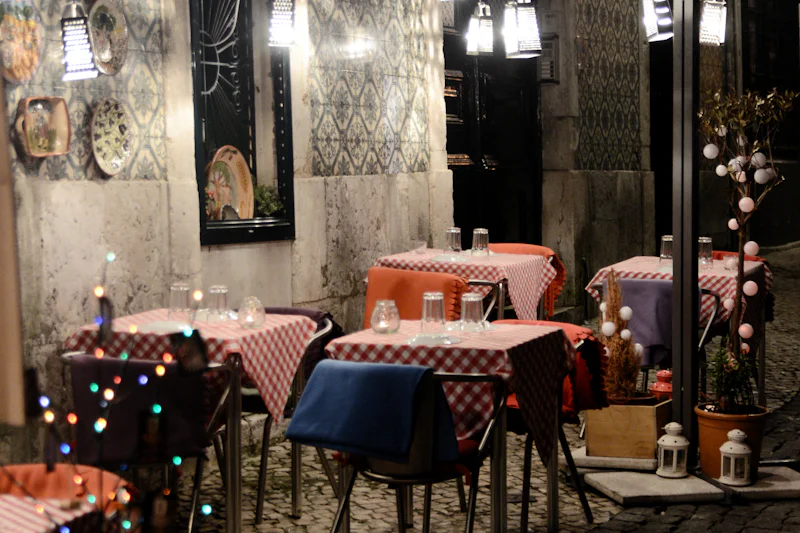
Portuguese food doesn't try to impress you with technique. It impresses you with ingredients: fish that was in the Atlantic this morning, pork from acorn-fed pigs in the Alentejo, olive oil poured generously over everything, and bread good enough to make a meal on its own.
This guide covers the traditional Portuguese food worth seeking out, from seafood and stews to sandwiches, desserts and the coffee that ends every meal. Whether you're visiting for a week or moving to Portugal, use it as a checklist.
Quick picks if you only have a few days:
- Bacalhau à Brás – salt cod with eggs and crispy potatoes
- Grilled sardines – best in June and July
- Francesinha – Porto's famous meat-and-cheese sandwich
- Arroz de marisco – soupy seafood rice
- Pastel de nata – the custard tart Portugal is famous for
What Makes Portugal Food Different?
Traditional Portuguese food is Mediterranean in spirit but Atlantic in practice. A few things define it:
- Seafood everywhere. Portugal eats more fish per person than almost any country in Europe.
- Bacalhau obsession. Dried, salted cod is imported (mostly from Norway) yet considered the national ingredient. Locals say there are 365 ways to cook it, one for each day of the year.
- Simple cooking. Grilling over charcoal (na brasa) and slow stewing are the main techniques.
- Spices from the empire. Cinnamon, piri-piri, and coriander arrived via Portugal's trade routes and stayed.
- Regional variety. Food in the Minho is very different from food in the Algarve, Madeira or the Azores.
Bacalhau (Salt Cod) Dishes
You can't talk about Portuguese food without bacalhau. Order at least two of these.
1. Bacalhau à Brás
Shredded cod mixed with matchstick fries, onions and scrambled egg, finished with black olives and parsley. A Lisbon classic and the easiest bacalhau dish for first-timers.
2. Bacalhau com Natas
Cod baked in a creamy béchamel with potatoes. Comfort food, often served at family lunches.
3. Bacalhau à Gomes de Sá
A Porto recipe: flaked cod layered with potatoes, onions, boiled egg and olives, baked in olive oil.
4. Pastéis de Bacalhau
Small fried cod cakes (called bolinhos de bacalhau in the north). Perfect as a snack with a cold beer.
5. Bacalhau à Lagareiro
A thick piece of cod roasted and drowned in garlic-infused olive oil, served with batatas a murro (punched potatoes).
Fish and Seafood
6. Sardinhas Assadas (Grilled Sardines)
The smell of grilling sardines is the smell of Portuguese summer, especially during the Santos Populares festivals in June. Eat them on a slice of bread that soaks up the juices.
7. Arroz de Marisco
A soupy, tomato-based rice packed with prawns, clams, mussels and sometimes crab. Usually ordered for two.
8. Amêijoas à Bulhão Pato
Clams cooked in olive oil, garlic, coriander and lemon. Mop up the sauce with bread.
9. Cataplana de Marisco
An Algarve speciality cooked in a clam-shaped copper pan. Seafood, pork, peppers and tomato steam together into something wonderful.
10. Polvo à Lagareiro
Tender roasted octopus with olive oil, garlic and potatoes. One of the best dishes in Portuguese cuisine.
11. Caldeirada
A fisherman's stew with several kinds of fish, potatoes, peppers and tomato.
12. Espetada de Lulas
Grilled squid skewers, common along the coast.
Meat Dishes
13. Francesinha
Porto's heavyweight sandwich: bread layered with steak, sausage and ham, covered in melted cheese and a spicy beer-tomato sauce, often with a fried egg and fries. Not light, completely worth it.
14. Cozido à Portuguesa
A boiled feast of meats (beef, pork, chicken, chouriço, blood sausage), cabbage, carrots and potatoes. A Sunday-lunch dish.
15. Leitão à Bairrada
Suckling pig roasted until the skin crackles, from the Bairrada region near Coimbra. Served with orange slices and fries.
16. Carne de Porco à Alentejana
Pork and clams cooked together with paprika and garlic, served with fried potato cubes. Surf and turf, Portuguese style.
17. Bifana
A thin pork steak marinated in garlic and white wine, served in a bread roll. Portugal's favourite fast food.
18. Prego
Like a bifana but with beef. Often eaten at the end of a meal in a seafood restaurant (prego no pão).
19. Frango Piri-Piri
Grilled chicken basted with chilli oil. The town of Guia in the Algarve claims to be its home.
20. Alheira
A smoked sausage originally made with poultry and bread. It's said to have been invented by Jews hiding their faith during the Inquisition. Usually served fried with an egg and fries.
Soups and Petiscos (Portuguese Tapas)
21. Caldo Verde
Potato and kale soup with a slice of chouriço. Simple, cheap, and on almost every menu.
22. Sopa da Pedra
"Stone soup" from Almeirim: beans, meats and vegetables in a hearty broth.
23. Petiscos
Small plates meant for sharing: pica-pau (beef strips in sauce), moelas (stewed gizzards), chouriço assado (sausage flambéed at the table), pimentos padrón, and local cheeses like Queijo da Serra and Queijo de Azeitão.
Portuguese Desserts and Pastries
Portuguese desserts are built on eggs and sugar, a legacy of convents that used egg whites to starch clothes and turned the leftover yolks into sweets.
24. Pastel de Nata
The famous custard tart with flaky pastry and a caramelised top. The original version, Pastéis de Belém, is still made in Lisbon to a secret recipe. Sprinkle with cinnamon.
25. Arroz Doce
Creamy rice pudding flavoured with lemon and cinnamon. A staple at Christmas and family celebrations.
26. Pão de Ló
A light sponge cake, sometimes served slightly undercooked and gooey in the middle (pão de ló de Ovar). If you're looking for a traditional Portugal cake, start here.
27. Bolo de Bolacha
A no-bake biscuit cake layered with coffee-soaked Maria biscuits and buttercream.
28. Travesseiros de Sintra
Puff pastry "pillows" filled with almond and egg cream. Buy them at Piriquita in Sintra.
29. Ovos Moles de Aveiro
Sweet egg-yolk filling wrapped in thin wafer shaped like shells and fish.
30. Bola de Berlim
Portugal's doughnut, filled with egg custard and sold on beaches by walking vendors.
Other Portuguese pastries worth trying: queijadas (small cheese tarts), pastel de Tentúgal, bolo rei (Christmas king cake), toucinho do céu, pudim flan, and serradura ("sawdust pudding").
Portuguese Coffee: How to Order
Coffee is part of every Portuguese meal. Knowing what to ask for helps — and it's a good first step in learning Portuguese:
| Order this | What you get |
|---|---|
| Um café / uma bica | An espresso (bica in Lisbon) |
| Cheio | A slightly fuller espresso |
| Curto | A short, strong espresso |
| Carioca | A weak espresso made from the second pass through used grounds |
| Abatanado | A long coffee, similar to an Americano |
| Pingado | Espresso with a drop of milk |
| Galão | Milky coffee in a tall glass, like a latte |
| Meia de leite | Half coffee, half milk in a cup |
| Descafeinado | Decaf |
Most cafés charge under €1 for an espresso if you stand at the counter.
Regional Specialities
- Porto and the North: francesinha, tripas à moda do Porto, caldo verde, Vinho Verde.
- Lisbon: bacalhau à Brás, ginjinha (cherry liqueur), bifanas, pastel de nata.
- Centre (Coimbra, Aveiro): leitão, chanfana (goat stewed in wine), ovos moles.
- Alentejo: porco preto, açorda (bread soup), migas, sheep's cheese.
- Algarve: cataplana, grilled fish, Dom Rodrigo sweets, figs and almonds.
- Madeira: espetada (beef on bay-leaf skewers), bolo do caco, espada com banana, poncha.
- Azores: cozido das Furnas (stew cooked in volcanic ground), queijo São Jorge, pineapples.
Tips for Eating in Portugal
- The bread and olives aren't free. The couvert placed on your table is charged if you eat it. Send it back if you don't want it.
- Prato do dia. Look for the daily lunch special, often €9–€14 with soup, main, drink and coffee.
- Lunch is big. Many restaurants close between 3pm and 7pm.
- Tipping is not expected; leaving 5–10% for good service is appreciated.
- Half portions. Ask for meia dose – portions are generous.
- Tascas (small family-run taverns) are often the best place for traditional Portuguese food.
Final Thoughts
The best way to enjoy Portuguese food is to keep it simple: find a busy tasca, order the fish of the day, share some petiscos, and finish with a pastel de nata and a bica. Try one new dish every day and you'll understand why so many visitors come back for the food alone.
Need help?
Official bodies and services related to this guide. Sponsored listings are always labelled.
- Official Tourism & travel info
Visit Portugal (Turismo de Portugal)
The national tourism board's official guide to regions, events and trip planning across mainland Portugal, Madeira and the Azores.
- Languages
- Portuguese, English
- Where
- Nationwide · online
- Official Tourism & travel info
Visit Lisboa
The Lisbon tourism association's official visitor guide, including the Lisboa Card and city events.
- Languages
- Portuguese, English
- Where
- Lisbon
Frequently asked questions
What is the national dish of Portugal?
Bacalhau (salt cod) is considered the national food, though cozido à portuguesa and grilled sardines are also strong contenders.
Is Portuguese food spicy?
Generally no. Heat comes from piri-piri sauce, which is usually served on the side.
What is the most famous Portuguese dessert?
The pastel de nata, a custard tart that originated at the Jerónimos Monastery in Belém, Lisbon.
Is Portuguese food similar to Spanish food?
They share ingredients like olive oil, pork and seafood, but Portuguese food uses more bacalhau, less paprika, and more cinnamon in both sweet and savoury dishes.
What do Portuguese people eat for breakfast?
Usually something light: a coffee and a pastry or a torrada (thick buttered toast).
Is food expensive in Portugal?
Compared to most of Western Europe, no. A traditional lunch can cost €10–€15, and a pastry and coffee under €3.
Official sources
We check our guides against these official pages. If something has changed, the official source wins.
- Visit Portugal visitportugal.com
Related guides
Madeira island guide: things to do, where to stay and best time to visit
Plan a trip to Madeira, Portugal: the best things to do, levada hikes, Funchal, Porto Santo, weather by month, where to stay, food and Madeira vs Azores.
Nazaré, Portugal: when to visit, beaches and the biggest waves in the world
Plan a visit to Nazaré, Portugal: when to see the giant waves at Praia do Norte, the best beaches, things to do, getting there from Lisbon and where to stay.
Supermarkets in Portugal: where to shop and what things cost
A guide to supermarkets in Portugal: Continente, Pingo Doce, Lidl, Mercadona and Aldi, opening hours, loyalty cards, grocery prices and online delivery.
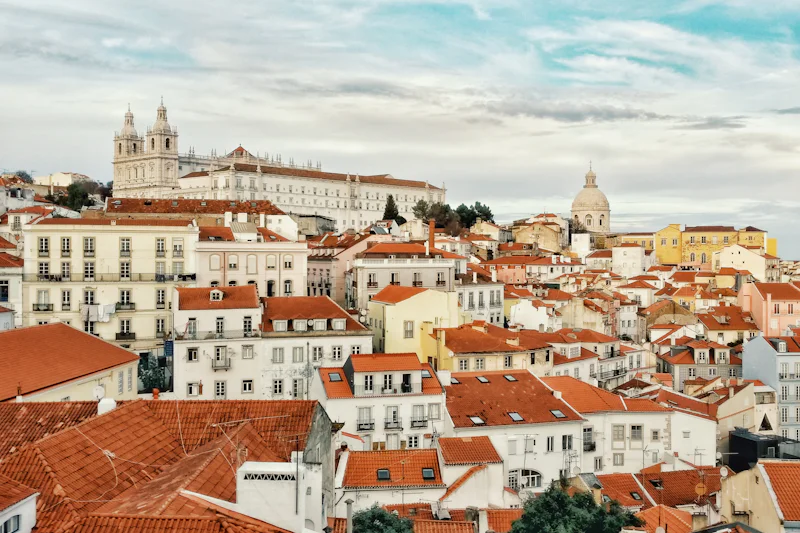
What is the capital of Portugal? Lisbon facts, history and living there
The capital of Portugal is Lisbon. Key facts about the city, why it became the capital, Portugal's former capitals and what living in Lisbon is really like.
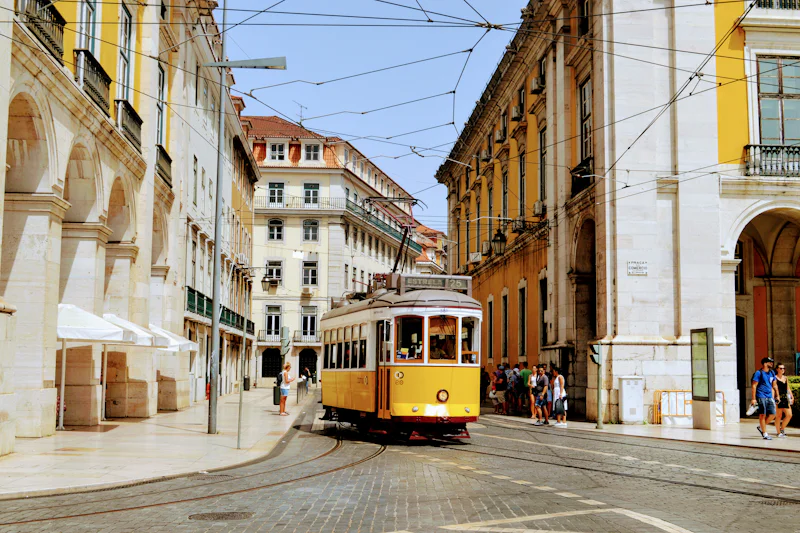
Visiting Portugal as a tourist
Visiting Portugal: plan where to go with official tourism sites, get around by train and metro, and save the emergency and health advice numbers.
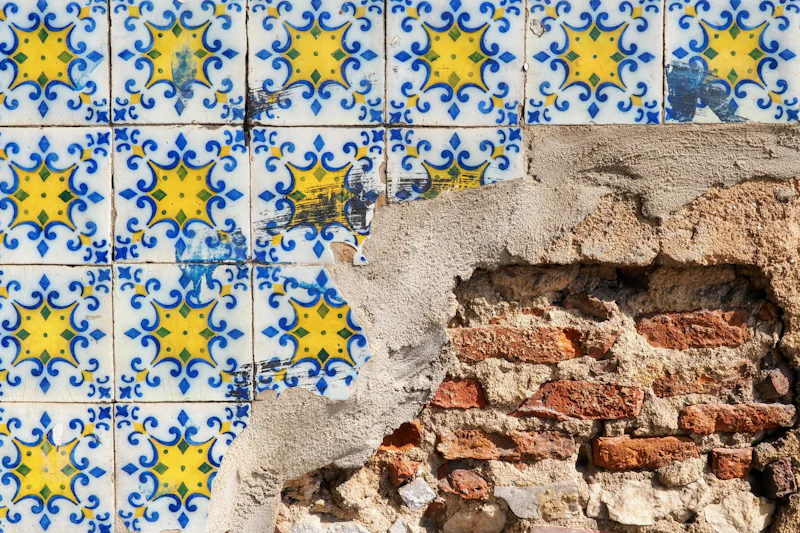
Interesting Facts About Portugal: 25 Things You Should Know
25 interesting facts about Portugal: Europe's oldest borders, the world's oldest alliance, cork, giant waves, pastel de nata, fado and more.